Finding practice CAE Speaking pictures can be difficult, so I compiled these questions for Cambridge C1 Advanced speaking Part 2.
Home > B2 First > Speaking > Part 2
C1 Advanced Speaking Part 2 Quiz: Enough Time for You?


C1 Advanced Speaking Test Breakdown:
The Cambridge C1 Advanced speaking test is in 4 parts.
Part 1 consists of general questions about yourself, your life and your opinions. This takes about 2 minutes, and you will probably be asked 3 or 4 questions.
In Part 2, you need to choose two pictures from a choice of three, then describe, compare and contrast these two pictures and answer two questions. You are only allowed 1 minute to do this, so some practice is essential. Part 2 sample answers are here.
Part 3 is in two parts. The first part is a discussion between you and the other candidate(s) using the topics on a given diagram. It is important in this part to interact with the other candidates well and not speak more than you should. The target language for this part is mainly agreeing, disagreeing, giving your opinion and asking for opinions. You have 2 minutes.
The second part is 1 minute for the candidates to come to an agreement which of the options is the best or most important.
Part 4 is general questions which cover the same topic as Part3, but in more depth. You are also expected to agree or disagree with the answers the other candidate(s) give and give your opinion. This part lasts a total of 4 minutes. In these answers, you should sound organised and give examples if you want. Try to talk about people in general rather than yourself, so it is more formal.
C1 Advanced Speaking Part 2 Questions with Tips and Suggestions
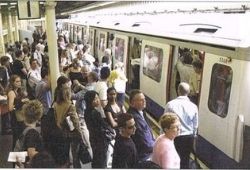
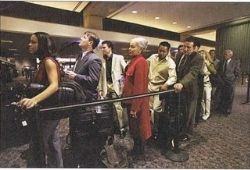
What might be difficult for the people to deal with in these situations?
How important might it be for them to deal with the situation well?
Sample Answer to this question
Hot C1 Speaking Part 2 Tip 1
There are various preparations you can make before Part 2 of your C1 Advanced Speaking test. The first thing you need to think about is which pictures you are going to speak about.
Are you going to choose the two most similar photos, or the two most different? Personally, I find it easier to talk about the two most different ones.
For each set of three, you could ask yourself if each pic has the same amount of people, are they indoors or outdoors, are there other people around them, what clothes they are wearing and so on. Use your answers to decide and practice.
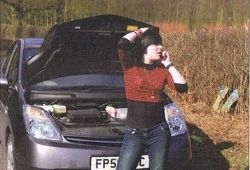
In the picture set above, for example, I would choose the first and second photos because they are so different. Picture 1 has a young woman on her own outside beside a car, whereas picture two shows a crowd waiting to board a train on a covered station platform. Pics two and three, however, are more similar because of the amount of people and the fact that they all seem to be waiting.
Practicing is essential, because it is easy to say that you prefer to speak about the two most similar pictures, but you may actually use better grammar and vocabulary when you speak about the most different ones.
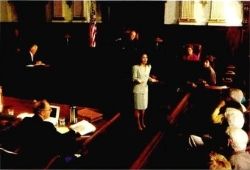
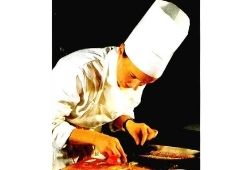
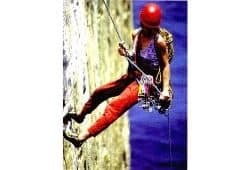
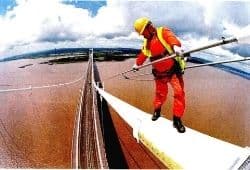
How important is it for these people to be accurate?
What might happen if they were not?
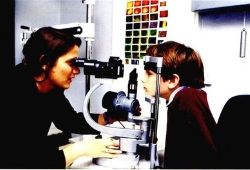
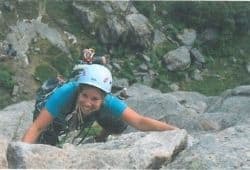
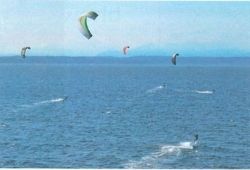
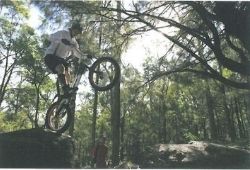
Why have these sports become popular?
What motivates people to take them up?
Hot Tip 2
In C1 Advanced Speaking Part 2 candidates are expected to point out similarities and differences between the photographs and then move on to deal with the questions, answering them with reference to both photographs. They should show their ability to organise their thoughts and ideas, and express themselves coherently in appropriate language. The listening candidate is also asked to comment briefly (for about 30 seconds) after their partner’s talk. Candidates will always be asked to speculate about something which relates to the focus of the visuals. They will never be asked to merely describe the visuals.
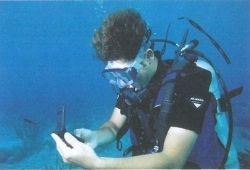
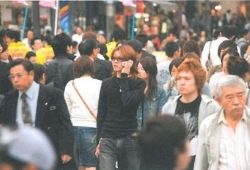

Why might people have chosen to experience these things?
How might they be feeling?
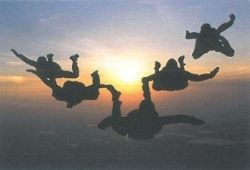
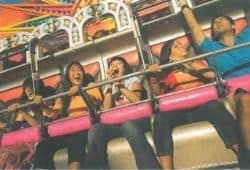
Sample Answer to this question
Hot C1 Speaking Part 2 Tip 3
There are two main ways to talk about the two pictures you have chosen.
Ping-Pong This method involves comparing something from your first picture to the same kind of thing in the second. Then you just keep on comparing and answering the question if you can.
One After the Other – In this method, you talk about one picture, then you talk about the other one.
In Ping-Pong, you use more of the target language you need for your test, ie the comparison and contrasting language. Even if you pause for longer than you would like, you have still used the right words.
With One After the Other, however, it is far too easy to speak for too long about picture one, which doesn’t leave you enough time for picture 2. This is even worse if you hesitate.
Using the above pictures as an example, here are examples of the two methods.
Ping-Pong
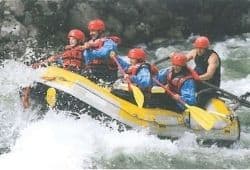
I’d like to talk about the first and third photos. Although there are a similar number of people in each picture, they are doing completely different extreme sports, for excitement in my opinion. The skydivers are falling through the air, while the white-water rafters are paddling on a river. Each parachutist has to take care of themselves; however, the rafters need to work as a team. I would say that they are all feeling exhilarated and are totally in the moment. I imagine another similarity is that they are all wearing similar types of safety helmets, but the rafters’ lifejackets would have no place in the air, nor the skydivers’ parachutes in the raft.
One After the Other
I’d like to talk about the first and third photos. In the first picture there are five skydivers free falling in the sky. I think they do it for excitement and I guess they are all completely engrossed in what they are doing. I would be surprised if they are not wearing standard safety helmets and parachutes, they have packed by themselves, so they know they will work. There are also five white-water rafters paddling like crazy down a fast-flowing river in picture three. As far as I’m concerned, they will be completely concentrating on what they are doing, just like the skydivers. It looks as if they too are wearing similar safety helmets to the parachutists, but have lifejackets on, which would be totally out of place in the sky.
They may seem similar to you when you read them, but it’s a speaking test, so candidates are usually a little nervous and can hesitate. If you hesitate using the second method, you will not be able to compare and contrast so well.
Practice is key!
Why might people be having these discussions?
How might the results of their discussions be?

How important is it to be creative in these different situations?
How difficult might this be?
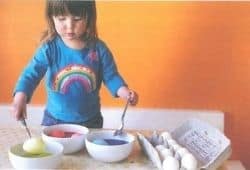
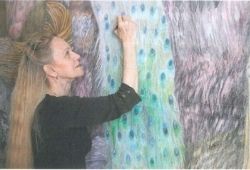
Why might the people enjoy working in these places?
What difficulties might they have?
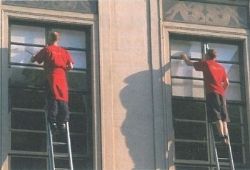


Sample Answer to this question
Hot Tip 4
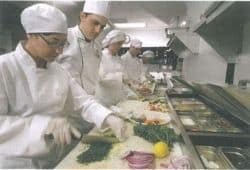
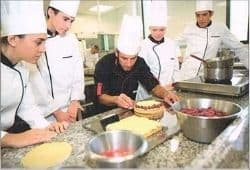
Speculating – As mentioned in the task description and used in the sample answers in the previous tips, it is important to speculate. This means introducing doubt. For example, in the first picture above, if you say the photo is of chefs in a restaurant kitchen, you may be right or you may not. If you say it looks as if they are chefs in a restaurant kitchen, it will be more accurate. Doing this throughout your answer adds precision, although it does take practice.
How important is it to be careful in these different situations?
What might happen if they make a mistake?
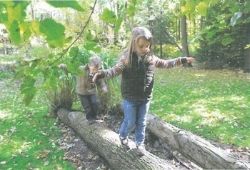
Why might the people have entered these competitions?
How might they be feeling?
Hot Tip 5
Hesitation – You only have a minute, which is incredibly short in your speaking test. Of course, it’s better if you don’t hesitate, but if you do, here are two quick ways to help you.
1. Don’t put yourself under pressure by expecting to be perfect. Tell yourself that you will hesitate, so just accept it and do your best.
2. One of the main reasons for hesitation is trying to think of the right word. It can be terrible, and if you only have one minute, it can affect you badly. If you can’t think of the right word, MOVE ON. Talk about the next thing. You have made a mistake, it might sound bad, BUT IT WILL SOUND MUCH WORSE IF YOU DON’T SPEAK!!!!!
Why might these possessions be important to these people?
How might they feel if they no longer had them?
What significance might the flowers have for these people?
How might they be feeling?
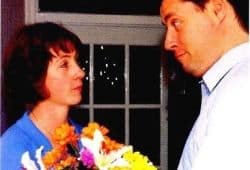

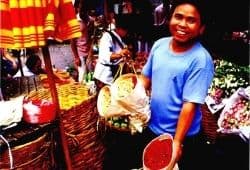
Sample Answer to this question
Why might these people be observing?
Why might they be observing these things?
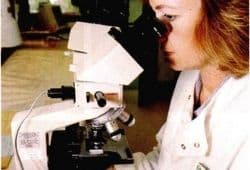
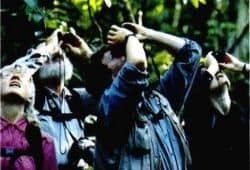
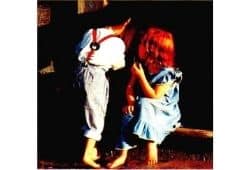
How might the people be feeling?
How difficult might it have been to take the photograph?

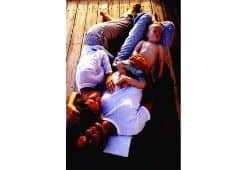
Why might these people have fallen asleep?
How might they feel when they wake up?
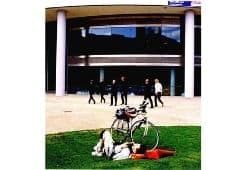
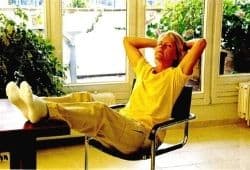
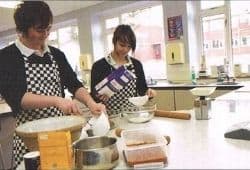
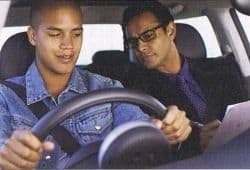
What do you think the people might be enjoying about learning the new skill?
How easy might it be for the people to master it?
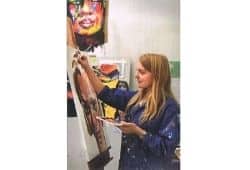
Why are the people entertaining others in these different places?
How memorable might it be for the people watching?
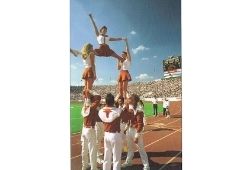
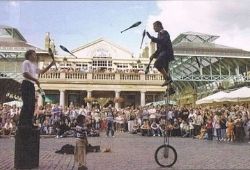
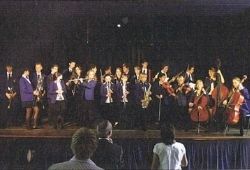
How might people benefit from playing games like these?
How might the players be feeling?
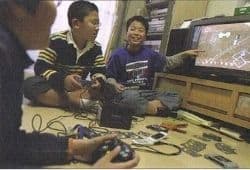
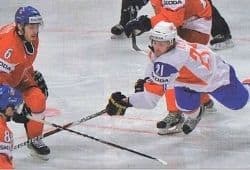
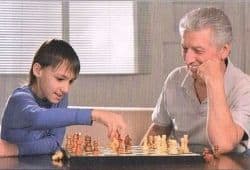
Why might the people need to take a break?
How relaxing might the situations actually be?

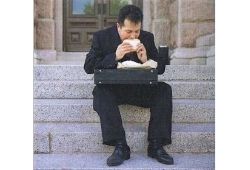

Sample Answer to this question
Why might the people be feeling emotional in these situations?
How long might the feeling last?
Related Posts:
Why might the people be finding these activities challenging?
Which activity might give them the most satisfaction?
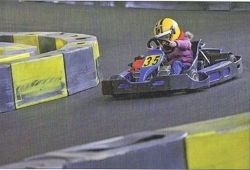
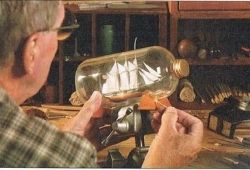
What are the advantages of learning about the past in these ways?
Who might actually learn most about the past?
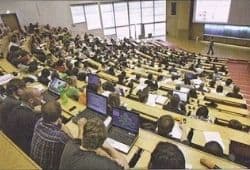


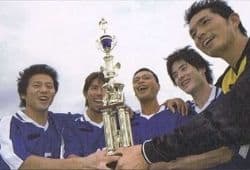
Why might the people feel proud in these situations?
How important might the feeling be to them?
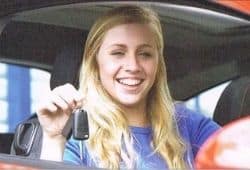
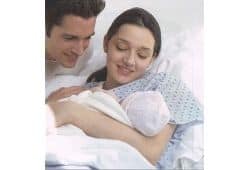
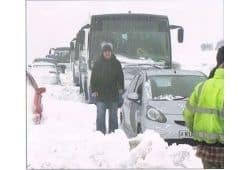
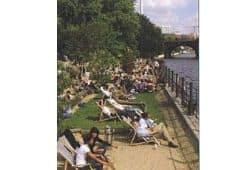
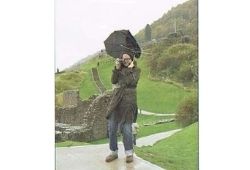
What effect might the weather conditions have on the people’s mood?
How difficult might it be for them to deal with the weather conditions?
What’s next?
Once you’re done here, challenge yourself with Parts 3 & 4 to practice your responses!
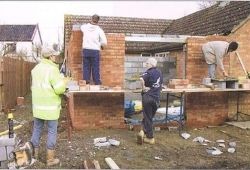
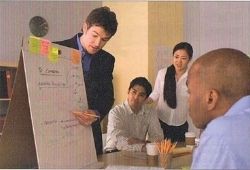
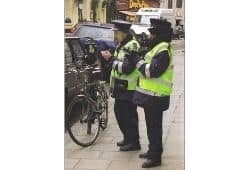
How important might it be for the people to work together in these situations?
How difficult might it be for them to do the work alone?
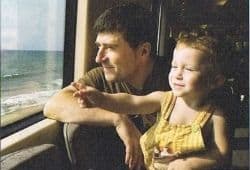
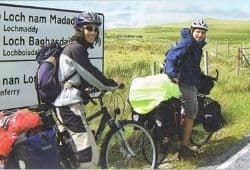
Why might the people have chosen to travel in these different ways?
How might they be feeling?

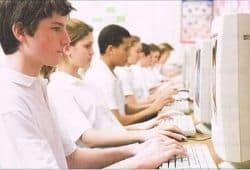
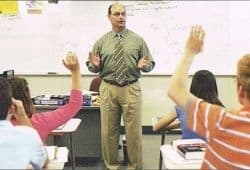
What are the benefits of learning in these different situations?
How enjoyable might the learning process be?
How easy might it be for the people to make a choice in these situations?
How important might it be for them to make the right choice?